Planning a Trip to Machu Picchu: The Ultimate Guide for Travelers
Machu Picchu is more than just an ancient Incan citadel; it’s one of the most iconic travel destinations in the world. Nestled high in the Andes Mountains of Peru, this UNESCO World Heritage Site is often described as a bucket-list experience for history enthusiasts, adventurers, and cultural travelers.
Planning a trip to Machu Picchu requires careful preparation. From deciding the best time to go, understanding ticket systems, acclimatizing to altitude, and choosing the right trekking route or train, many factors will shape your journey. This guide provides an in-depth look into everything you need to know before setting foot on this mystical site.
Why Planning is Essential for Machu Picchu
Machu Picchu is not a destination you can casually add to a last-minute itinerary. Visitor numbers are restricted daily to preserve the site’s fragile structures, and peak seasons can sell out months in advance. Beyond tickets, you also need to consider logistics like transportation, altitude acclimatization, weather conditions, and entry regulations.
Good planning ensures you avoid disappointment and maximize your time. With thoughtful preparation, your experience will be richer, safer, and more enjoyable.
When is the Best Time to Visit Machu Picchu?
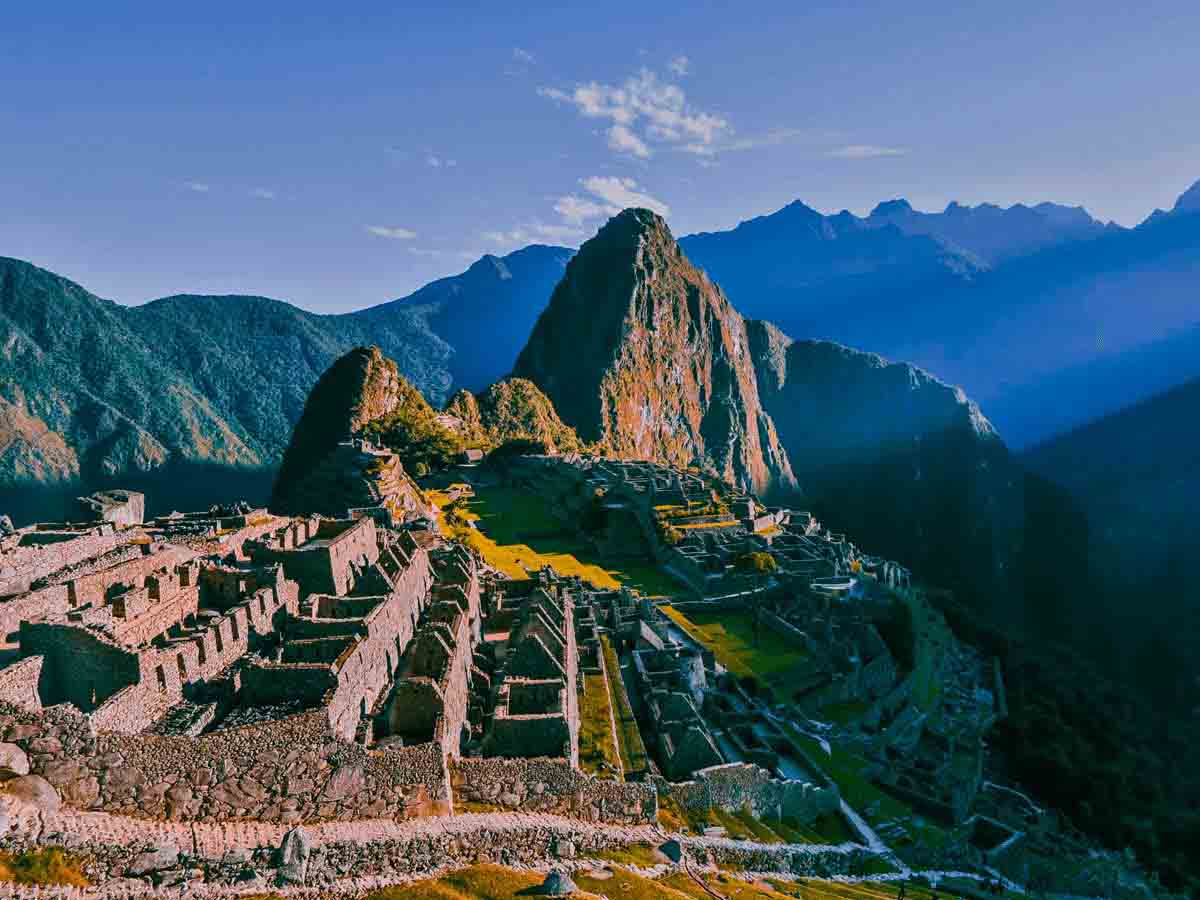
Dry Season (May to September)
The dry season is considered the best time to visit Machu Picchu. Clear skies, sunny weather, and spectacular views make this period ideal for trekking the Inca Trail or enjoying panoramic photos. However, it is also the busiest season, so booking well in advance is crucial.
Wet Season (November to March)
Travelers who prefer fewer crowds may consider visiting during the wet season. Rain showers are common, but the landscapes are lush and green, adding a mystical atmosphere to the ruins. This season may also provide more flexibility with permits and train tickets.
Preparing for Altitude and Health Considerations
Machu Picchu itself sits at 2,430 meters (7,970 feet), but many travelers begin their journey in Cusco, which is even higher at 3,400 meters (11,152 feet). Altitude sickness is a common issue and should not be underestimated.
Acclimatization is key. Spend at least two days in Cusco or the Sacred Valley before visiting Machu Picchu. Stay hydrated, avoid heavy meals, and consider natural remedies such as coca tea, widely available in Peru. For sensitive travelers, consulting a doctor about altitude medication before the trip may be beneficial.
Transportation Options to Reach Machu Picchu

Trains to Machu Picchu
Most visitors reach Machu Picchu by train from Cusco or Ollantaytambo. PeruRail and IncaRail are the two main companies, offering options from budget-friendly rides to luxury trains with fine dining and panoramic windows.
Trekking Routes
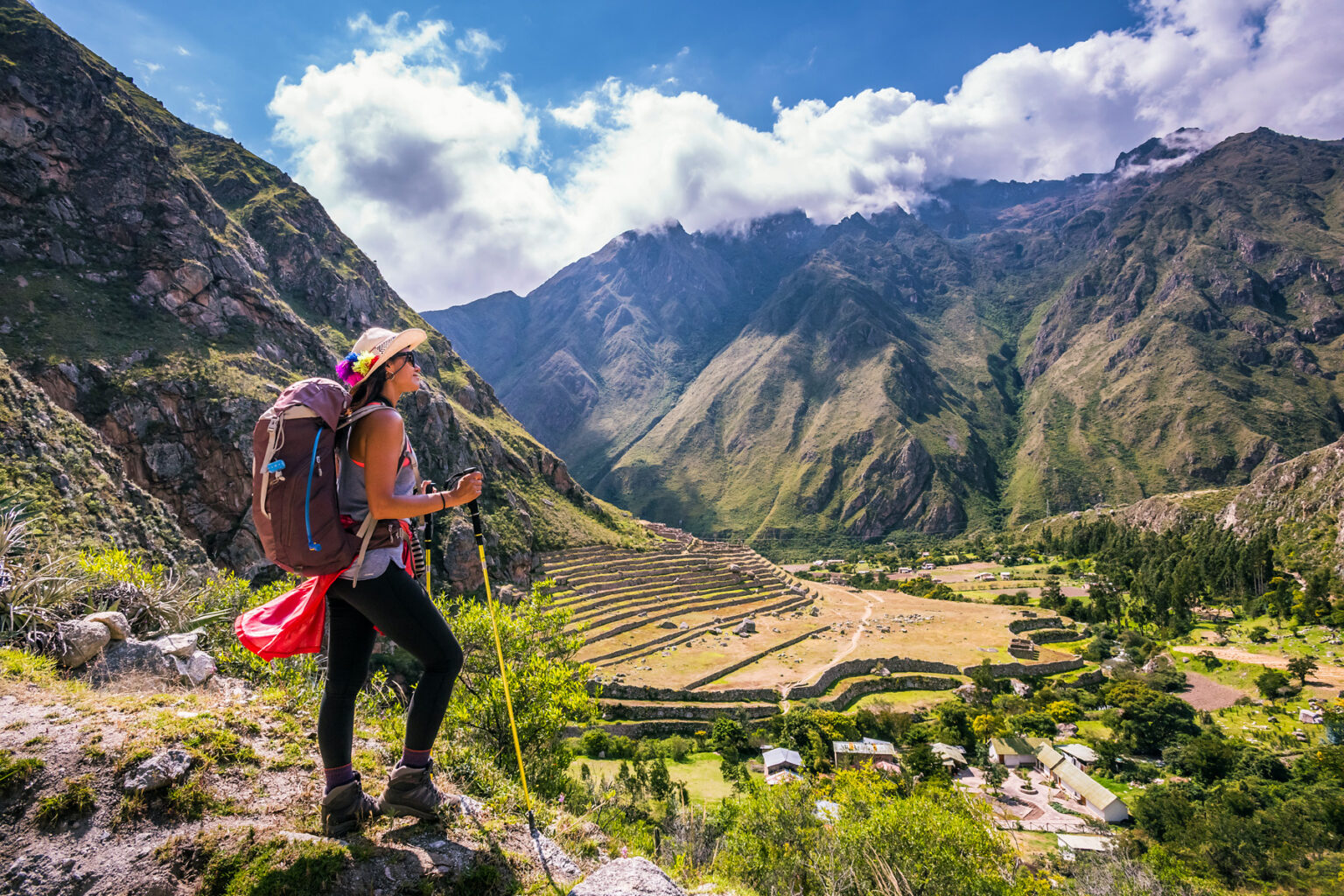
For adventure seekers, trekking is an unforgettable option. The Inca Trail, Salkantay Trek, and Lares Trek are popular choices, each offering unique scenery and cultural experiences. Treks range from 3 to 7 days and require a reasonable level of fitness.
Real-World Travel Examples for Machu Picchu Planning
The Inca Trail Experience
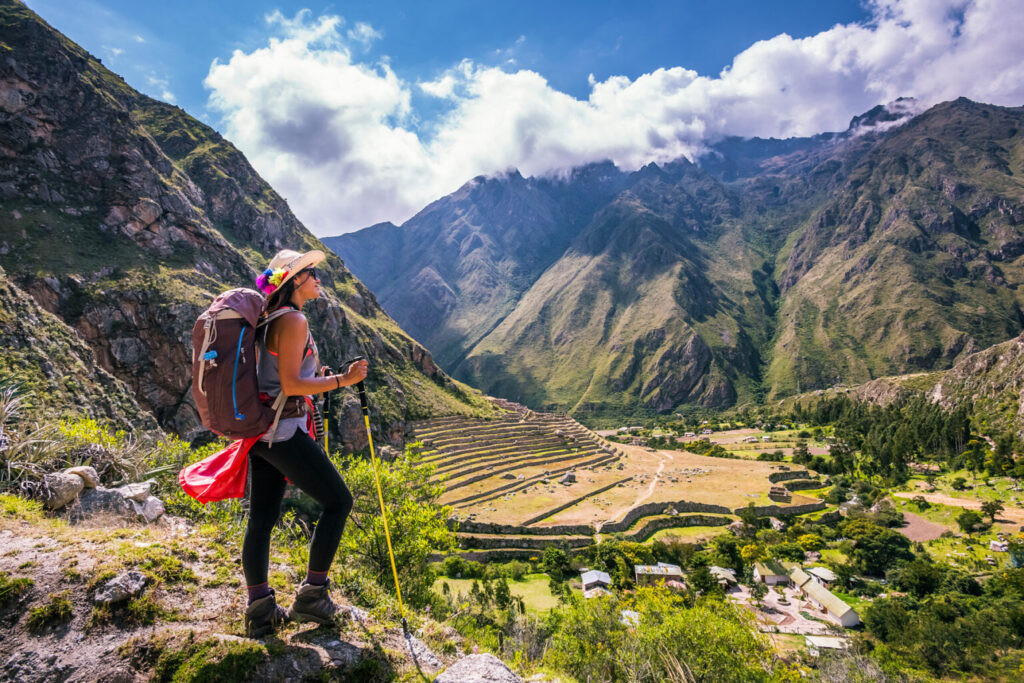
The Inca Trail is the most famous trek to Machu Picchu, blending natural landscapes with ancient ruins along the route. Permits are limited to 500 people per day, including guides and porters, so reservations must be made months in advance. This trek is ideal for travelers seeking a challenging but rewarding experience that culminates with entering Machu Picchu through the Sun Gate at sunrise.
Belmond Hiram Bingham Train
For travelers who prefer luxury, the Belmond Hiram Bingham train offers an unforgettable journey. Complete with gourmet meals, live music, and personalized service, it provides a glamorous way to arrive at Machu Picchu. This option highlights how planning allows you to choose experiences aligned with your travel style.
Family-Friendly Sacred Valley Tour
Not everyone wants a strenuous trek. Families often choose a more relaxed journey through the Sacred Valley, combining cultural stops in Pisac and Ollantaytambo with an overnight stay before taking the train to Machu Picchu. This approach makes the trip more accessible to children or older travelers while still offering cultural immersion.
Salkantay Trek Adventure
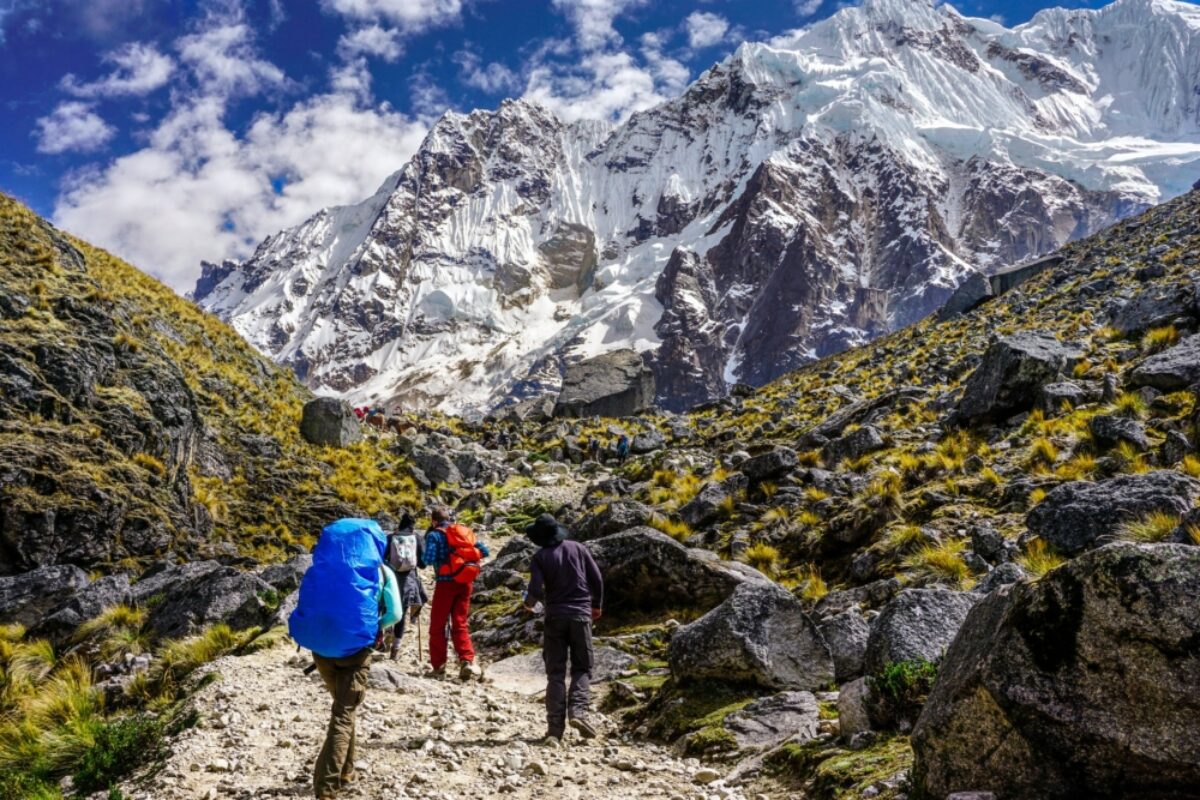
The Salkantay Trek is a popular alternative to the Inca Trail. It offers high-altitude landscapes, glaciers, and remote villages. Unlike the Inca Trail, permits are more flexible, making it easier for last-minute travelers who still want a challenging trek. This option demonstrates how planning ahead provides flexibility depending on availability.
Benefits of Using Technology in Trip Planning
Modern travelers can rely on technology to simplify the process of organizing a trip to Machu Picchu.
Mobile Apps and Navigation
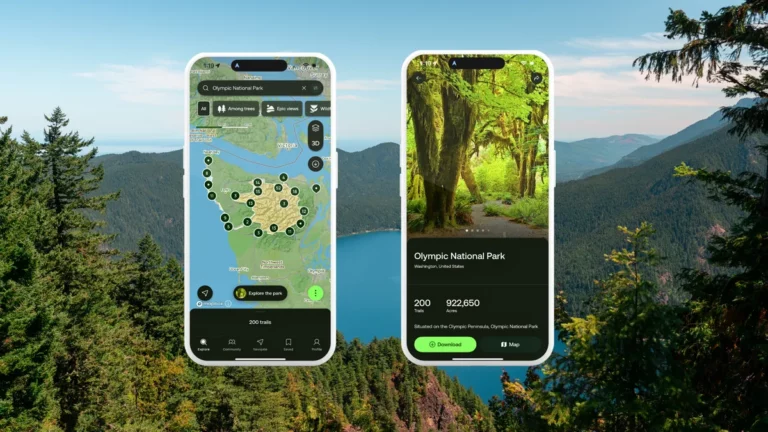
Apps like Maps.me and AllTrails help trekkers navigate routes and stay informed about altitude changes, trail conditions, and resting points. These tools are essential for safety and convenience, especially in remote areas where internet connectivity is limited.
Online Ticket Systems
Peru’s official ticketing system allows you to purchase entry passes for Machu Picchu, Huayna Picchu, or Machu Picchu Mountain in advance. Using these platforms reduces the risk of scams and ensures you secure your desired date and time slot.
Virtual Guides and Language Tools
Language apps like Google Translate or travel platforms like TripAdvisor allow you to overcome language barriers, read real-time reviews, and connect with other travelers. This enhances cultural understanding and makes logistics smoother.
Use Cases: Why Planning Helps Solve Real Travel Problems
Avoiding Sold-Out Tickets
One of the most common problems travelers face is arriving in Peru only to find that Machu Picchu tickets or Inca Trail permits are sold out. Planning eliminates this issue, ensuring entry and a smooth itinerary.
Managing Altitude Risks
Without proper planning, altitude sickness can ruin a trip. Scheduling acclimatization days and preparing remedies beforehand ensures you can enjoy your visit without serious discomfort.
Choosing the Right Experience
Whether you want luxury, adventure, or family-friendly options, planning allows you to align your trip with your travel goals. A clear itinerary makes your experience stress-free and more fulfilling.
Frequently Asked Questions
1. How far in advance should I book my trip to Machu Picchu?
It is recommended to book Machu Picchu entry tickets and Inca Trail permits at least 6 months in advance, especially for travel during the high season (May–September). Train tickets and accommodations should also be secured early.
2. Is it possible to visit Machu Picchu in one day?
Yes, many travelers take an early train from Cusco or Ollantaytambo, visit Machu Picchu, and return the same day. However, staying overnight in Aguas Calientes allows for a more relaxed visit and the chance to see the ruins at different times of day.
3. Do I need a guide to enter Machu Picchu?
While it is possible to enter without a guide, hiring one enriches the experience. Local guides provide detailed insights into the history, culture, and engineering of the site that you might otherwise miss.