Planning a Safari Trip: A Complete Guide for Your Adventure
Planning a safari trip is not just about booking a holiday; it’s about curating a journey that blends adventure, nature, and cultural immersion. A safari takes you into some of the most remarkable landscapes on Earth, where wildlife roams free, and travelers witness raw encounters with the natural world.
Unlike typical vacations, a safari requires thoughtful preparation. Factors such as timing, location, safety, and personal interests play a major role in shaping the overall experience. Understanding these nuances ensures your trip becomes more than a sightseeing tour; it becomes a life-changing adventure.
Choosing the Right Safari Destination
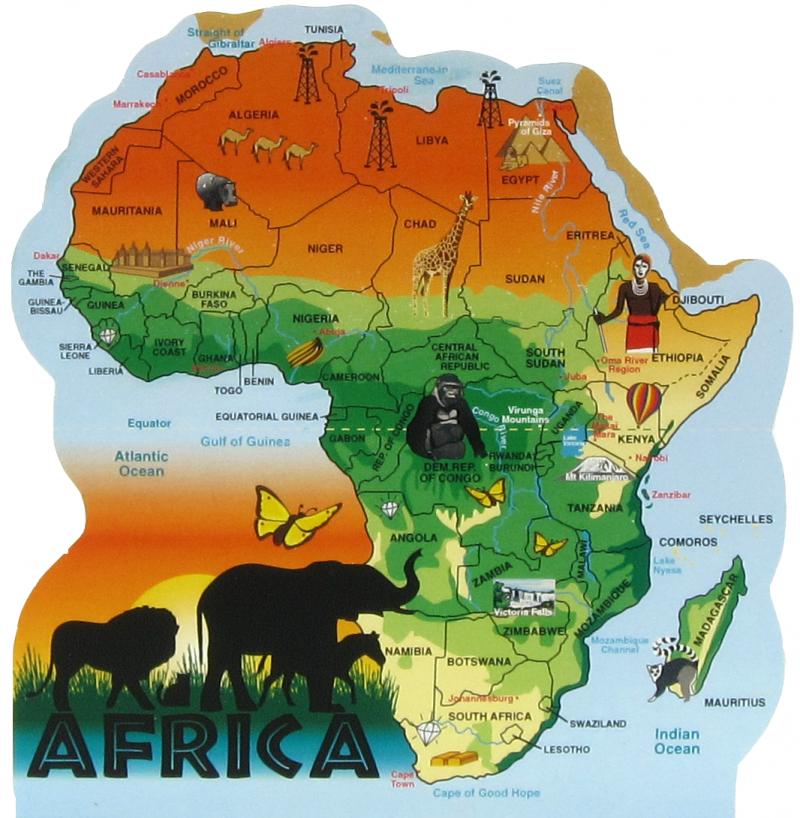
One of the most critical aspects of planning a safari trip is selecting the right destination. Africa is home to numerous national parks and game reserves, each offering a unique environment and wildlife experience.
For instance, Kenya’s Maasai Mara is renowned for the Great Migration, while Botswana’s Okavango Delta provides a serene yet thrilling water-based safari. Tanzania’s Serengeti promises vast savannahs teeming with lions, cheetahs, and wildebeest. Each location offers something distinct, making it important to match the destination with your expectations, whether you prioritize spotting the Big Five, exploring remote landscapes, or experiencing cultural traditions alongside your wildlife encounters.
Timing Your Safari for the Best Experience

The time of year you travel can dramatically influence your safari experience. Wildlife behavior, weather patterns, and accessibility vary with the seasons.
For example, visiting East Africa during July to October aligns with the Great Migration, where millions of wildebeest and zebras cross crocodile-infested rivers. On the other hand, South Africa’s dry season from May to September offers prime wildlife viewing as animals gather around scarce waterholes. Choosing the right timing ensures you not only maximize animal sightings but also experience favorable weather conditions that enhance comfort during your trip.
The Role of Technology in Safari Planning
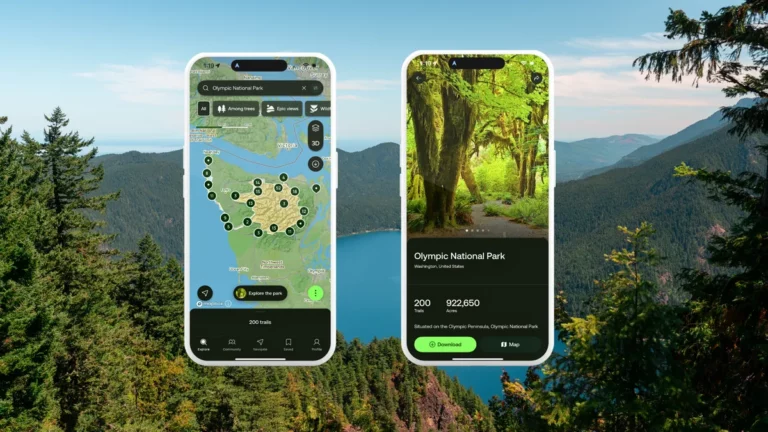
Modern technology has revolutionized how travelers plan safaris. From digital mapping to wildlife tracking apps, technology provides a new layer of convenience and safety.
Mobile apps can help travelers identify animals, track migration patterns, and even translate local languages. GPS-based navigation tools make it easier to explore remote areas, while drone photography has changed how travelers document their journeys. Additionally, online platforms now allow travelers to preview lodges, read reviews, and craft customized itineraries without leaving their homes.
The integration of these tools makes safari planning more accessible to first-time adventurers while empowering experienced travelers to craft more immersive experiences.
Real-World Examples of Safari Experiences
Maasai Mara, Kenya
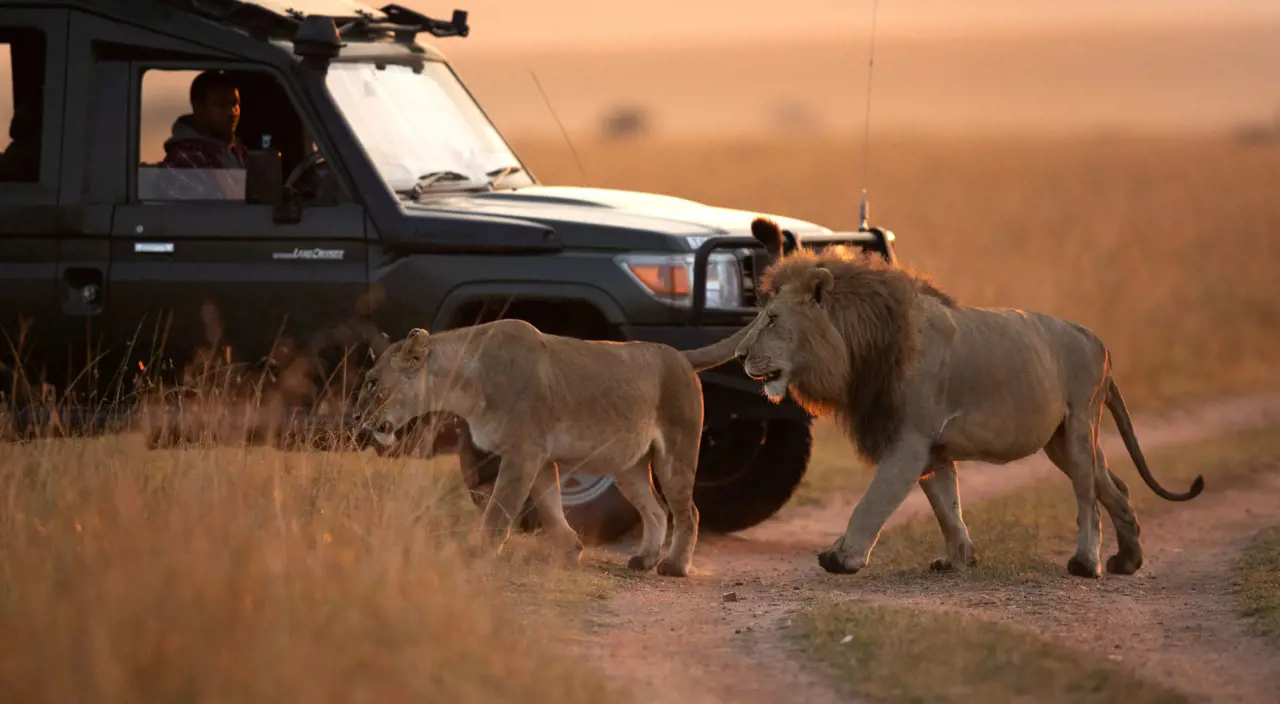
The Maasai Mara is one of the most iconic safari destinations in the world. Known for its annual wildebeest migration, the Mara provides dramatic predator-prey interactions rarely seen elsewhere. Planning a trip here means preparing for dawn game drives, cultural visits to Maasai villages, and evenings spent at luxurious tented camps.
Travelers benefit from guided tours led by locals who share deep knowledge of the ecosystem. The region also offers photographic safaris, where professional guides assist visitors in capturing once-in-a-lifetime moments.
Okavango Delta, Botswana
The Okavango Delta provides a completely different safari experience. Instead of jeeps, many excursions happen in traditional mokoro canoes that glide silently through water channels. Planning a safari here involves preparing for a slower, more meditative journey that emphasizes intimate encounters with nature.
Wildlife sightings include hippos, elephants, and rare birds. The remoteness of the delta also makes it a prime location for eco-conscious travelers seeking to minimize their environmental footprint. Lodges in the delta often use solar energy and support community-led conservation projects, making this a powerful example of how safaris can combine adventure with sustainability.
Serengeti National Park, Tanzania
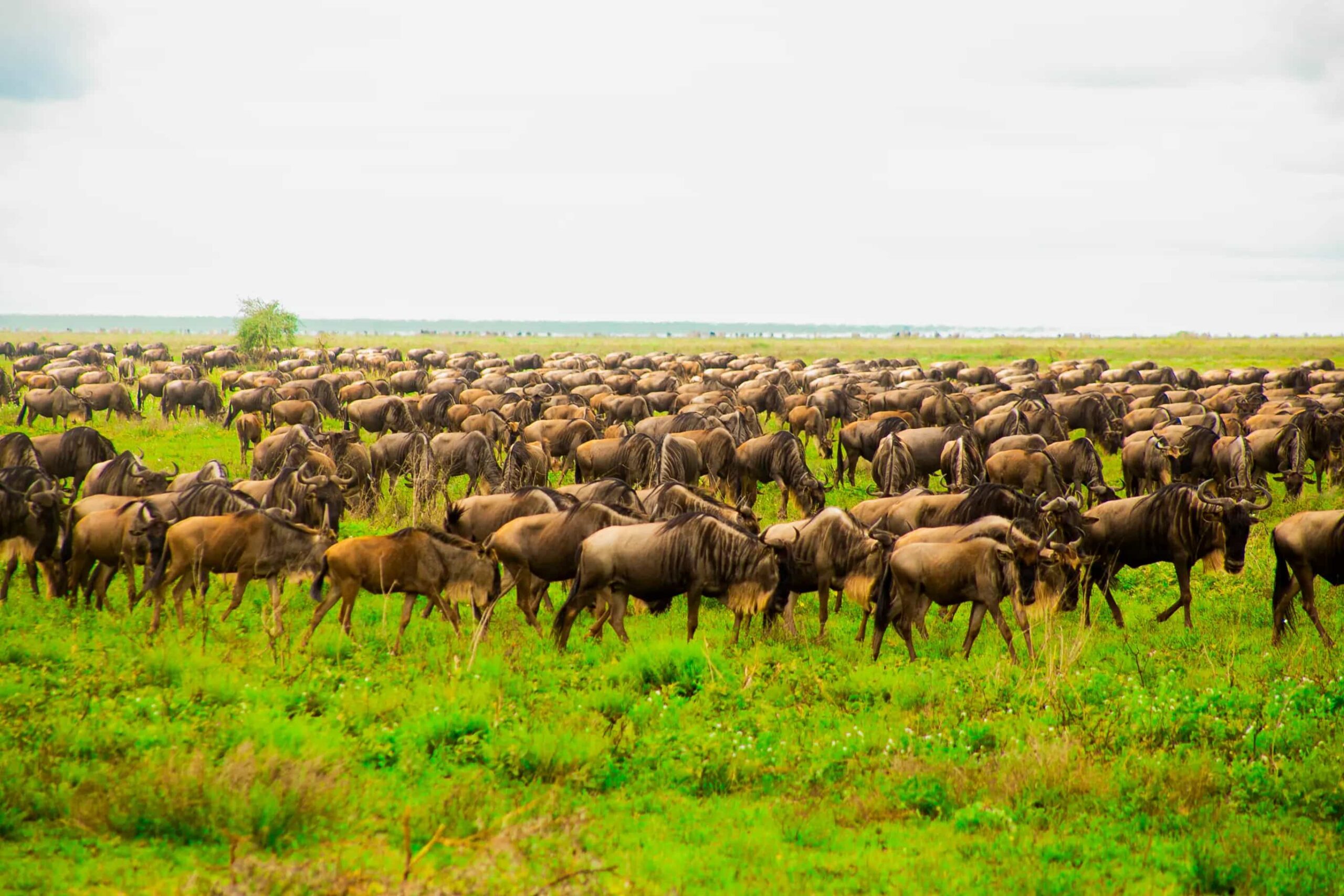
The Serengeti offers perhaps the most classic safari landscape in Africa. Its endless plains are home to the largest mammal migration on Earth, alongside predators such as lions and leopards. Planning a safari here requires deciding between different regions, each offering unique vantage points, from the central plains to the quieter northern reaches.
What makes the Serengeti stand out is its diversity. In addition to game drives, hot air balloon safaris provide an unforgettable aerial perspective of the wilderness. This combination of land and sky adventures adds layers of richness to the safari experience.
Benefits of Thoughtful Safari Planning
When travelers dedicate time to properly planning a safari trip, the results go beyond logistical convenience. Well-prepared safaris maximize wildlife encounters, reduce stress, and enhance cultural immersion.
Practical benefits include smoother travel arrangements, better safety measures, and the ability to adapt to personal interests such as photography, family travel, or eco-tourism. Thoughtful planning also minimizes environmental impact by promoting responsible tourism practices, ensuring these natural wonders remain protected for generations to come.
Use Cases: How Safari Planning Solves Real Travel Challenges
Wildlife Photography Enthusiasts
For photographers, careful planning ensures access to the right regions during peak animal activity. By choosing destinations aligned with migration seasons, photographers capture once-in-a-lifetime moments.
Family-Friendly Adventures
Families with children benefit from safaris designed with safety and accessibility in mind. Planning helps select lodges with family-friendly accommodations and activities that engage younger travelers.
Sustainable Travel Seekers
Eco-conscious travelers find value in safaris that emphasize conservation. Planning allows them to prioritize lodges that use green energy, support wildlife sanctuaries, and engage local communities.
Frequently Asked Questions
1. What is the best time of year for planning a safari trip?
The best time depends on the region. East Africa’s Great Migration peaks from July to October, while Southern Africa offers prime wildlife viewing during its dry season from May to September.
2. How long should a safari trip last?
Most safaris last between 5 to 10 days. This allows enough time for multiple game drives and exploring different ecosystems without feeling rushed.
3. Do I need travel insurance for a safari trip?
Yes, travel insurance is highly recommended. Safaris often take place in remote areas, and having coverage ensures medical support, evacuation services, and protection against unexpected cancellations.