Machu Picchu Trip Planner: Complete Guide for an Unforgettable Journey
Visiting Machu Picchu is a once-in-a-lifetime adventure that requires careful preparation. From choosing the right season to selecting hiking routes, accommodation, and technology tools, a reliable trip planner can turn a dream into a well-organized reality. This article will walk you through everything you need to know about planning your journey to Machu Picchu in a structured, detailed way.
Why Planning Your Machu Picchu Trip Matters
A trip to Machu Picchu is not just about transportation and tickets; it’s about ensuring the journey is enriching, safe, and stress-free. With thousands of visitors daily, strict entry rules, and multiple routes, having a trip planner is essential to avoid confusion and maximize your experience.
A proper plan helps travelers align their schedule with cultural, logistical, and environmental factors. It also ensures that visitors can choose the best path, whether trekking the famous Inca Trail or taking the train directly to Aguas Calientes.
Best Time to Visit Machu Picchu
Weather plays a crucial role in how enjoyable your trip will be. The Andean climate is unpredictable, and understanding the seasons can make or break your experience.
The dry season (May to September) is the most popular, offering clear skies and stunning mountain views. However, it also comes with large crowds and higher accommodation costs. The wet season (November to March) provides lush green landscapes but frequent rain showers, which can affect hiking conditions. Shoulder months like April and October strike a balance between weather and crowd levels, making them excellent choices for a smoother experience.
How a Machu Picchu Trip Planner Helps Organize Your Journey
A Machu Picchu trip planner simplifies the complexity of travel logistics. From securing entrance tickets and train reservations to choosing trails and understanding altitude challenges, technology-driven planners can provide accurate timelines and recommendations.
Planners also assist with budgeting by estimating costs for permits, transport, and guides. More importantly, they can adapt to your travel style, whether you prefer luxury stays, adventurous treks, or family-friendly itineraries.
Key Routes to Reach Machu Picchu
The Classic Inca Trail
The most famous trekking route is the Inca Trail, a four-day journey that passes through stunning archaeological sites before arriving at the Sun Gate. It requires a permit that sells out months in advance, so planning is critical.
This trail combines breathtaking landscapes with a sense of walking in the footsteps of the Incas. While it demands physical fitness, the reward is an unforgettable sunrise over the ancient citadel.
The Salkantay Trek
For those seeking a less crowded but equally rewarding path, the Salkantay Trek is a five-day adventure. It traverses dramatic landscapes, from snowy mountain peaks to tropical jungle trails. The route ends near Aguas Calientes, where travelers take a short bus ride to Machu Picchu.
It is a more flexible alternative to the Inca Trail and does not require the same strict permits, making it ideal for spontaneous adventurers.
Train and Bus Combination
For travelers short on time or preferring comfort, taking the train from Cusco or Ollantaytambo to Aguas Calientes is the fastest option. From there, buses transport visitors to the entrance of Machu Picchu.
This route is especially useful for families, older travelers, or those who want to maximize time exploring the site rather than hiking.
Real-World Examples of Machu Picchu Trip Planners
PeruRail Planner Tools

PeruRail offers digital planning tools to help travelers choose train routes, departure times, and classes of service. These tools integrate schedules with connecting bus routes, making it easier to map out travel from Cusco to Machu Picchu. They reduce stress by automatically calculating transfer times, ensuring no connection is missed.
TripIt Travel Organizer

TripIt is a global travel planner app that proves especially useful for complex itineraries like Machu Picchu trips. Travelers can upload tickets, hotel bookings, and transport details into one consolidated itinerary. With real-time updates and offline access, it keeps all trip essentials at your fingertips, even when internet coverage is limited in the Andes.
AllTrails for Trekking Routes
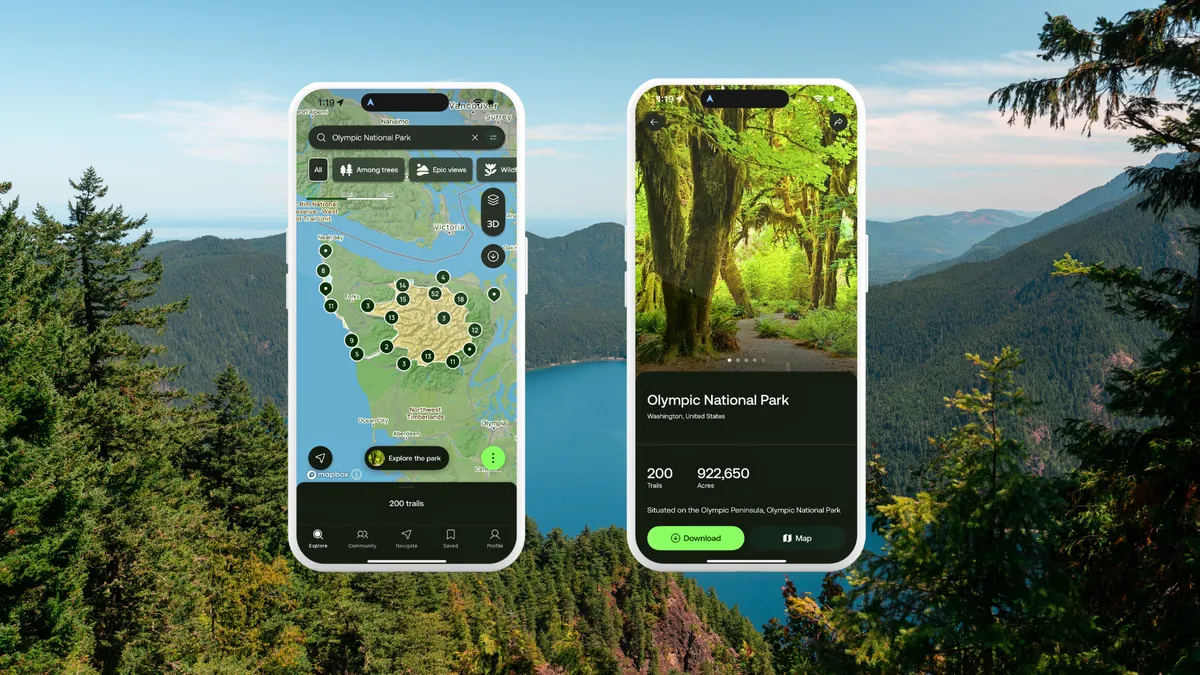
For hikers, AllTrails provides detailed trail maps, GPS tracking, and user reviews for treks like the Inca Trail and Salkantay Trek. It helps adventurers prepare for elevation, distance, and weather conditions, making sure they are adequately equipped before setting out.
Google Maps Offline Navigation

While not Machu Picchu-specific, Google Maps allows travelers to download offline maps of the Sacred Valley region. This feature is invaluable when navigating remote areas without mobile data. It ensures travelers never lose their way, whether in Cusco, Ollantaytambo, or the winding paths leading to Machu Picchu.
Benefits of Using Technology in Machu Picchu Trip Planning
Technology enhances the travel experience by providing accuracy, safety, and convenience. Digital trip planners reduce human error, ensuring permits, tickets, and accommodations are not overlooked. They also provide real-time alerts, which are crucial in a destination where sudden weather changes or train delays are common.
Another benefit is the personalization of itineraries. Apps and tools can adjust schedules for early risers, families, or professional photographers who want to capture Machu Picchu at sunrise. With location tracking and offline capabilities, these technologies also enhance safety during treks in remote areas.
Use Cases: When a Machu Picchu Trip Planner Makes a Difference
Family-Friendly Planning
Families traveling with children often face challenges in coordinating transportation, meals, and accommodation. A trip planner ensures everything is scheduled to reduce waiting times and keep the journey stress-free.
Adventure Enthusiasts
For hikers, trip planners help manage trekking permits, trail distances, and acclimatization schedules. This prevents exhaustion and ensures a safe, enjoyable trek.
Solo Travelers
Solo travelers benefit from technology-driven planners that keep all documents and maps in one place. This minimizes risks and provides confidence when navigating unfamiliar areas.
Elderly or Limited-Time Visitors
For those with limited mobility or tight schedules, planners can identify the fastest, most comfortable routes. They also highlight cultural experiences in Cusco or the Sacred Valley, ensuring a fulfilling trip even without trekking.
Frequently Asked Questions
1. How far in advance should I plan my trip to Machu Picchu?
It’s recommended to start planning at least six months, especially if you want to secure Inca Trail permits, which sell out quickly.
2. Do I need a guide to visit Machu Picchu?
While not mandatory for every visitor, hiring a licensed guide enhances the experience. Guides provide cultural insights and help navigate the site’s complex layout.
3. Can technology fully replace human planning for Machu Picchu?
Technology is a powerful aid, but it works best when combined with personal research and expert advice. Apps and planners simplify logistics, but local guides and tour operators add cultural depth and on-the-ground knowledge.