Guided African Safari Tours: A Complete Informational Guide
Guided African safari tours are one of the most immersive ways to explore the wild beauty of Africa. Unlike self-driven safaris, guided tours are led by expert rangers and trackers who understand the land, the animals, and the cultural history surrounding each region. These tours offer not just transportation but also education, safety, and personalized experiences that allow travelers to see Africa’s incredible wildlife up close.
Africa is home to some of the most iconic national parks and reserves in the world, including Serengeti National Park in Tanzania, Kruger National Park in South Africa, and Masai Mara in Kenya. A guided safari ensures that visitors don’t just see animals, but also learn about their behaviors, habitats, and conservation challenges.
Why Choose Guided African Safari Tours
One of the most compelling reasons to choose a guided safari is the expertise of the guides. They bring years of experience and often have intimate knowledge of wildlife movements, seasonal behaviors, and even specific animal families. This expertise greatly increases your chances of witnessing rare moments, such as a lion hunt or a leopard resting in a tree.
Guided tours also provide enhanced safety. With trained guides who know how to approach wildlife and handle unexpected situations, travelers can relax and focus on the experience. For many, the logistics of driving through remote savannahs, navigating dirt tracks, or arranging permits can be overwhelming. Guided tours eliminate these challenges, making the journey seamless and worry-free.
Key Benefits of Guided Safari Experiences
Educational Insights and Storytelling
Guides are natural storytellers. They share fascinating details about ecosystems, conservation efforts, and cultural traditions connected to the land. This transforms a regular game drive into an educational journey that deepens appreciation for Africa’s biodiversity.
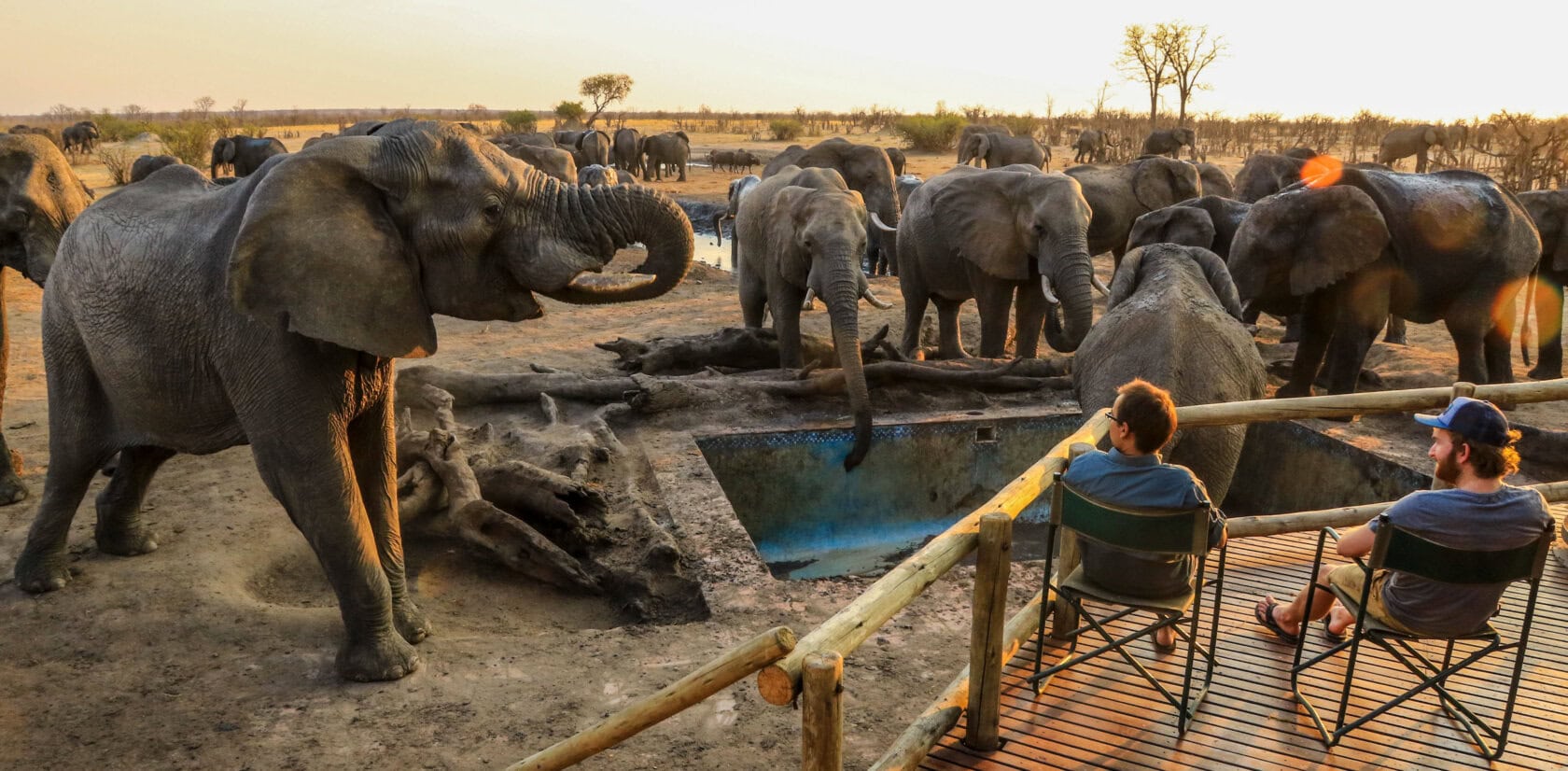
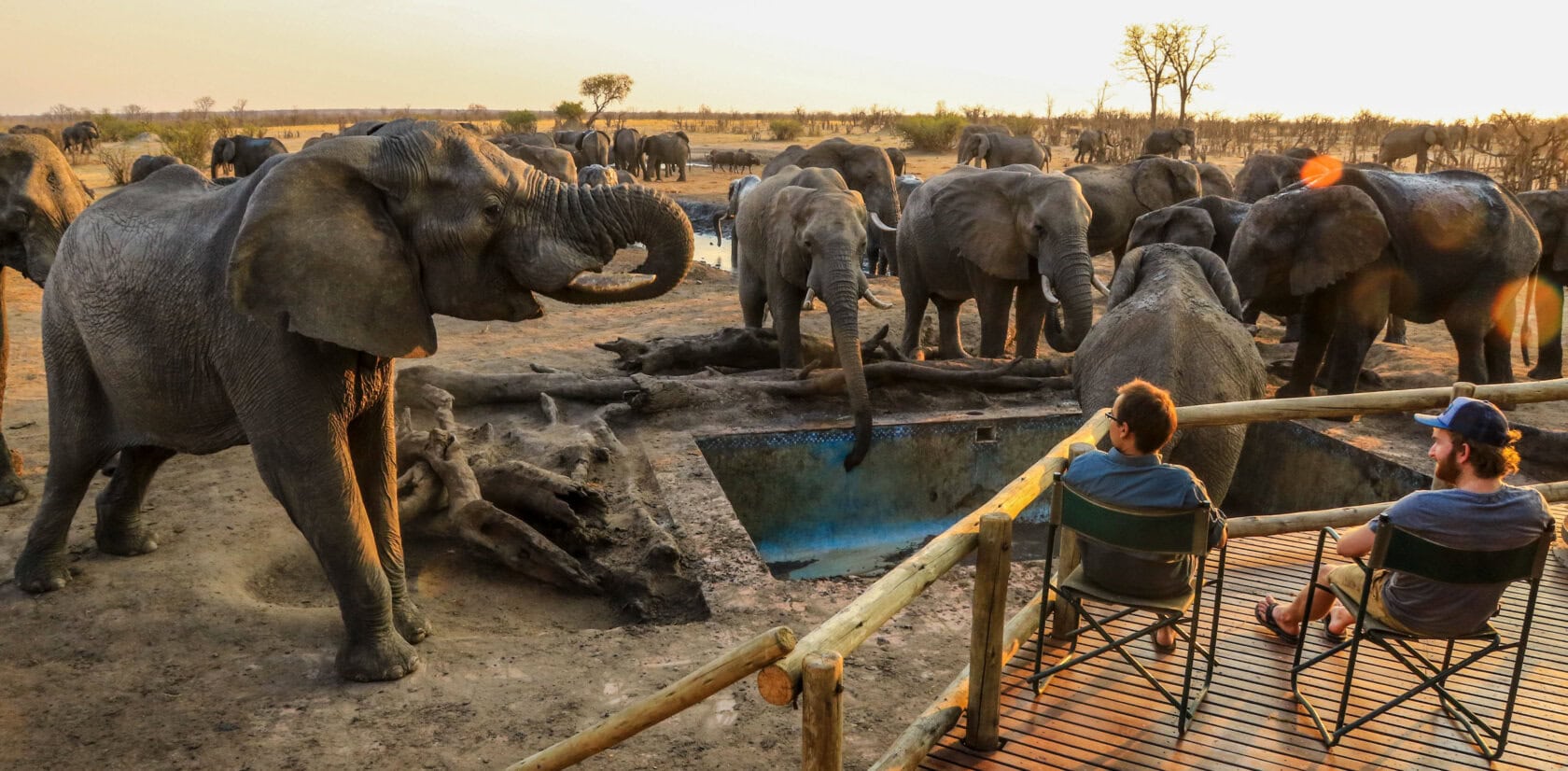
Travelers not only see the animals but also understand how predators hunt, how elephants interact socially, and how migratory species survive across seasons. This adds layers of meaning that self-drive safaris often cannot provide.
Comfort and Stress-Free Travel
Guided safari tours often include luxury vehicles, accommodations, and amenities designed to maximize comfort. Guests don’t need to worry about navigation, food preparation, or campsite setup. Instead, they can immerse themselves fully in the experience.
This benefit is especially valuable for first-time travelers to Africa who may not be familiar with the region’s terrain, driving conditions, or cultural nuances.
Conservation and Community Support
Many guided safari operators partner with local communities and conservation programs. By booking with them, travelers contribute directly to preserving endangered wildlife and supporting local livelihoods. Guides often explain how tourism revenue funds anti-poaching efforts and wildlife protection initiatives.
Real-World Examples of Guided African Safari Tours
Serengeti Guided Safari (Tanzania)
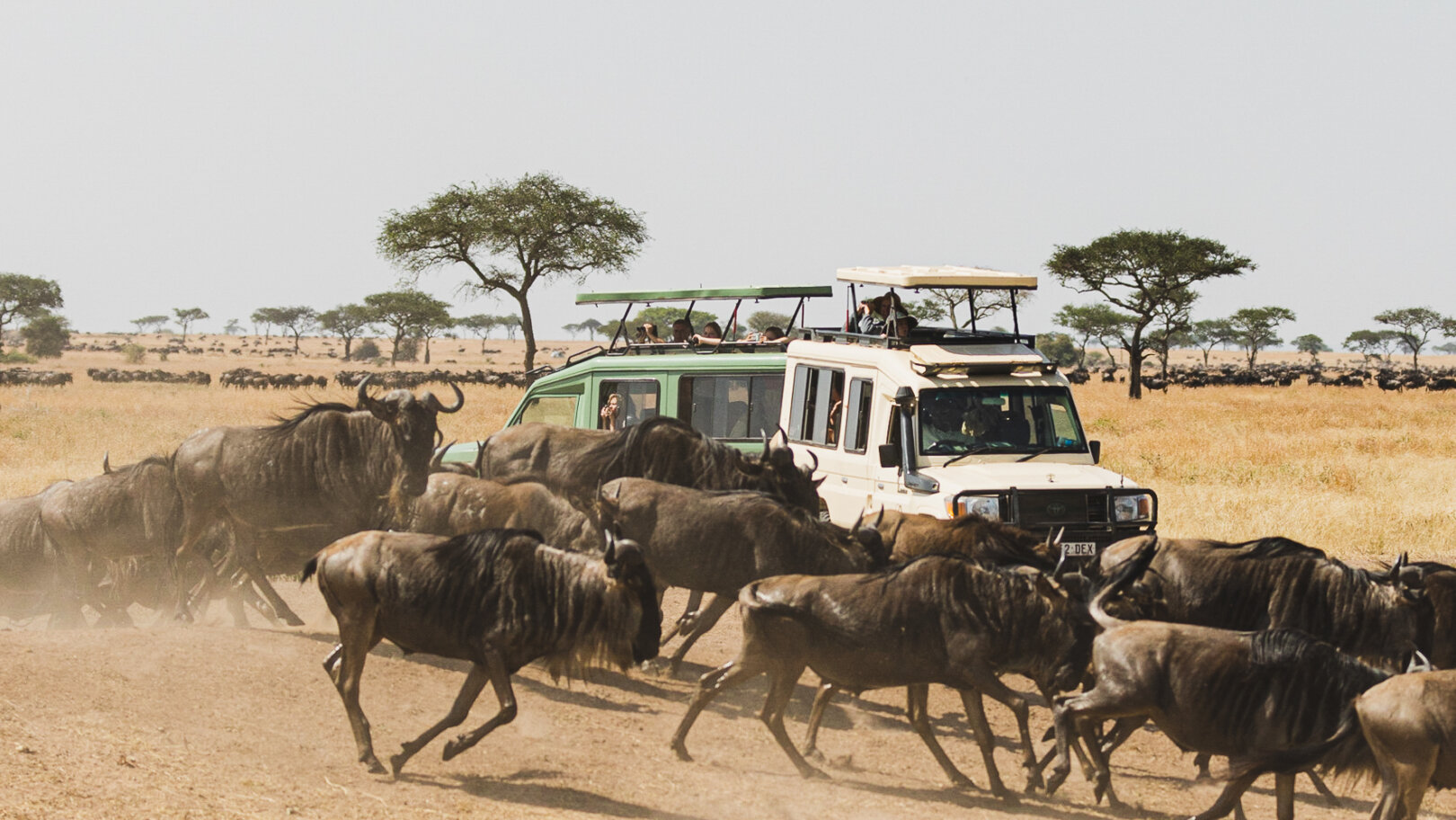
A guided safari in the Serengeti offers a chance to witness the Great Migration, one of the most extraordinary natural events in the world. Expert guides track the movements of wildebeests, zebras, and predators, ensuring visitors are in the right place at the right time.
Travelers benefit from the guides’ ability to interpret animal behaviors, explaining why herds cluster, how predators stalk their prey, and how river crossings unfold. Without a guide, many of these insights and rare sightings could easily be missed.
Kruger National Park Private Safari (South Africa)
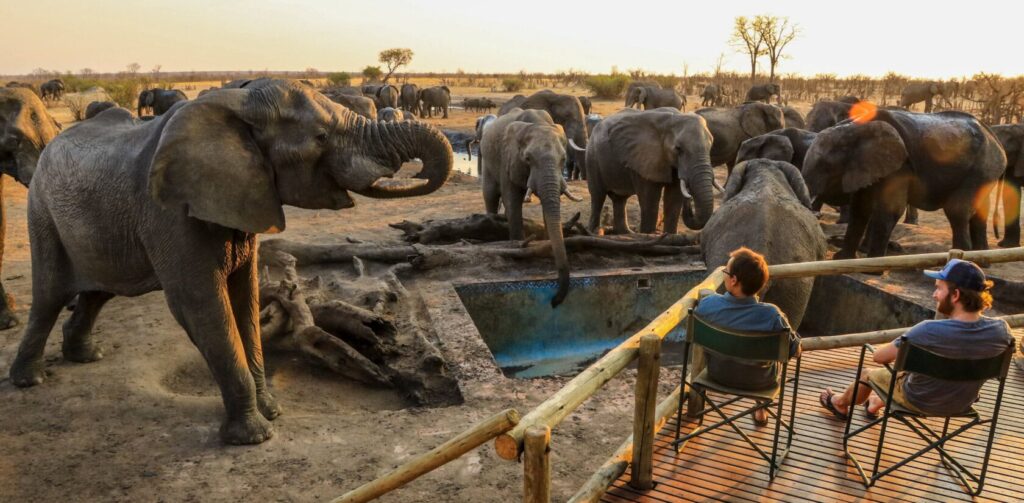
Kruger National Park is vast, covering nearly 20,000 square kilometers. Navigating it alone can be daunting. Guided tours in Kruger often include private reserves bordering the park, where vehicles can go off-road to track animals more closely.
With a guide, visitors can encounter the “Big Five”—lion, leopard, elephant, buffalo, and rhino—in just a few days. Guides also share stories about ongoing conservation battles, such as rhino protection against poaching, giving the experience more depth and context.
Masai Mara Safari with Local Guides (Kenya)
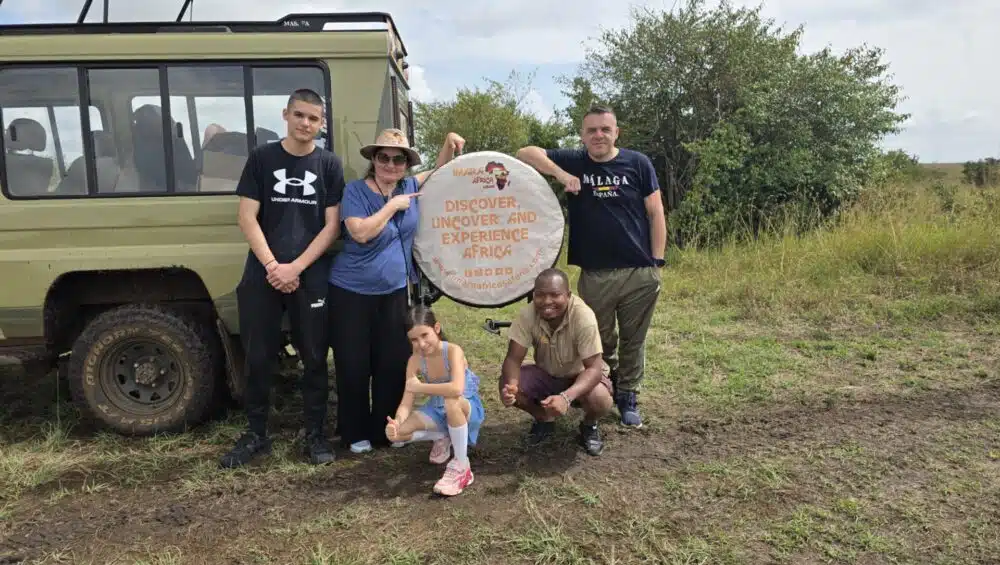
In the Masai Mara, guided tours often include local Maasai guides who combine wildlife expertise with cultural storytelling. Travelers not only observe predators like lions and cheetahs but also learn about Maasai traditions, land stewardship, and community life.
This cultural layer enhances the safari, making it more than just a wildlife encounter. It becomes an immersive experience that connects nature and people.
Okavango Delta Safari (Botswana)
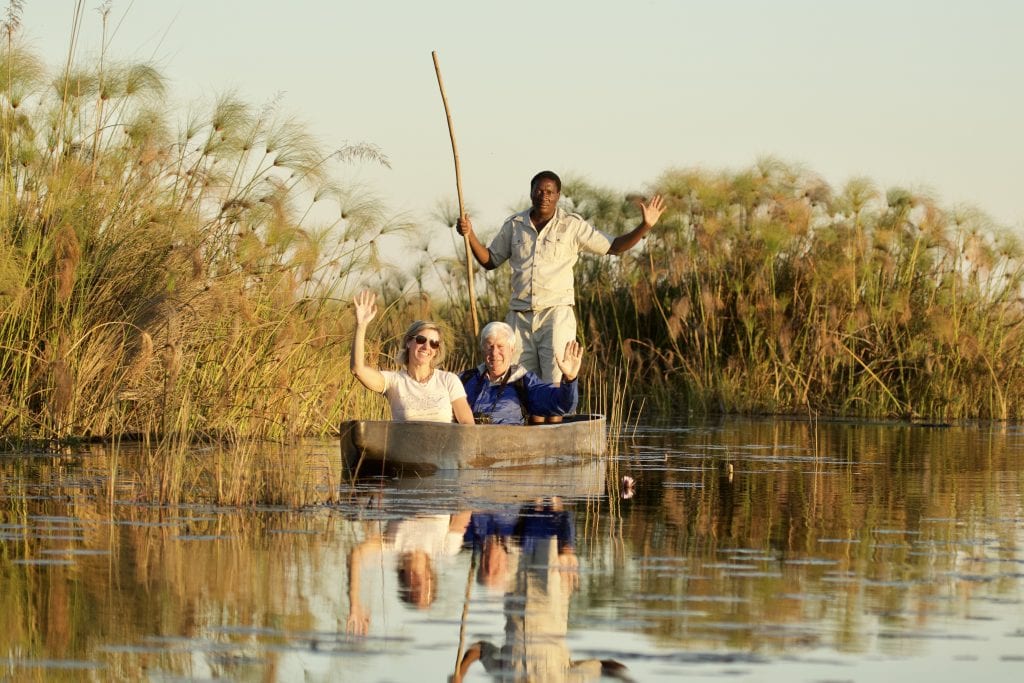
The Okavango Delta is unique because safaris can be conducted both on land and water. Guided mokoro (dugout canoe) tours take visitors through winding waterways where hippos and elephants roam. Expert polers and guides ensure safety while explaining the delicate balance of this wetland ecosystem.
Without guidance, navigating these waterways could be dangerous. The expertise of local guides transforms the journey into a safe and unforgettable adventure.
Practical Use Cases of Guided Safari Tours
Family Travel
Families with children benefit greatly from guided safaris. Guides know how to adapt experiences to different age groups, ensuring kids stay engaged and safe. Parents can relax, knowing logistics and safety are handled.
Wildlife Photography
Photographers often prefer guided tours because guides know the best times of day and specific locations for capturing animals in their natural habitat. They also help position vehicles for optimal light and angles, which can be the difference between a good shot and a once-in-a-lifetime photo.
First-Time Travelers
For those visiting Africa for the first time, guided safaris eliminate confusion about park regulations, vehicle restrictions, and safety measures. This makes the trip smooth and allows visitors to focus on enjoying the experience rather than worrying about logistics.
Conservation-Focused Tourism
Travelers interested in supporting wildlife conservation find guided tours particularly meaningful. Guides connect them with conservation efforts, demonstrating how tourism helps protect endangered species and ecosystems.
How Technology Enhances Guided Safari Tours
Technology is playing a growing role in modern safari experiences.
- GPS Tracking: Guides use GPS and tracking devices to locate animals more efficiently, ensuring guests see more during each game drive.
- Digital Photography Tools: Many guides assist travelers with drones and advanced cameras, helping them capture better images while respecting wildlife safety.
- Wildlife Databases: Some safari operators use apps and databases to record animal sightings, contributing to conservation research. This allows travelers to be part of meaningful scientific efforts.
Technology doesn’t replace human expertise, but it enhances the precision and safety of guided tours.
Conclusion
Guided African safari tours offer far more than just transportation through wildlife areas. They combine expert knowledge, cultural insights, comfort, and safety to create unforgettable experiences. By choosing guided tours, travelers not only increase their chances of seeing Africa’s most iconic animals but also contribute to conservation and local communities.
FAQ
1. What makes guided safari tours better than self-drive safaris?
Guided tours provide expert knowledge, safety, and logistics management, allowing travelers to focus on enjoying the experience rather than navigating challenging terrains or park rules.
2. Are guided safaris suitable for families with children?
Yes, guided safaris are ideal for families. Guides tailor activities to children, ensure safety, and create engaging educational experiences that make the trip enjoyable for all ages.
3. How do guided safaris support conservation?
Many safari operators partner with conservation groups and local communities. A portion of the revenue funds anti-poaching initiatives, habitat preservation, and community development programs.