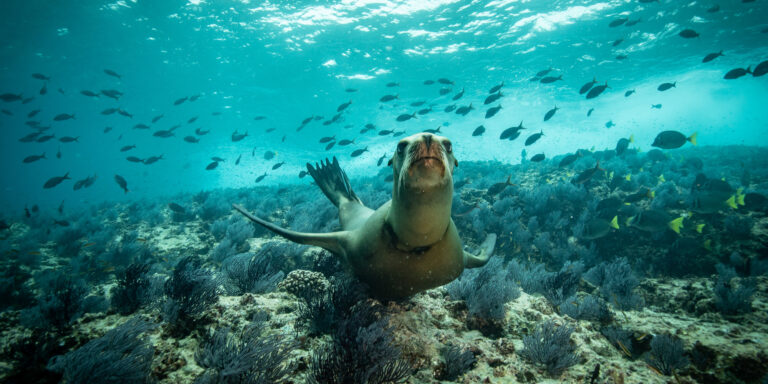
Galapagos Self Guided Tour: Complete Guide to Exploring the Islands Independently
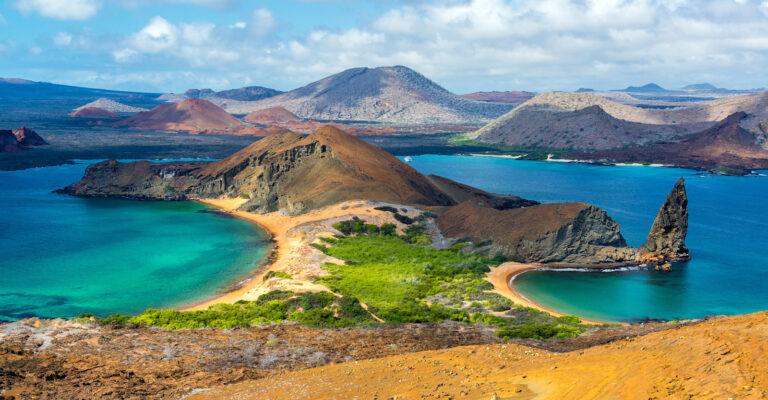
A Galapagos self-guided tour offers an alternative to traditional guided excursions, giving travelers the freedom to design their itineraries, explore at their own pace, and connect deeply with the islands’ unique biodiversity. Unlike fixed package tours, a self-guided experience focuses on flexibility. Travelers choose when and where to explore, how long to stay at each site, and which activities align with their interests.
This approach is particularly appealing to independent travelers who value autonomy. By planning a self-guided tour, visitors can still enjoy the magic of the Galapagos giant tortoises, marine iguanas, pristine beaches, and volcanic landscapes while keeping their journey personalized and cost-effective.
Why Choose a Galapagos Self-Guided Tour?

A self-guided trip to the Galapagos is about creating a balance between adventure and independence. While guided tours are ideal for those who want structured schedules, self-guided tours attract travelers who prefer freedom in decision-making.
The islands are well-equipped with infrastructure for independent exploration, especially on the inhabited islands like Santa Cruz, San Cristóbal, and Isabela. Ferry systems, day-trip boats, public buses, and bicycle rentals make moving around easier than many first-time travelers expect. With proper research and preparation, you can navigate the islands safely while discovering hidden gems that guided tours may overlook.
Benefits of a Self-Guided Galapagos Experience
Freedom and Flexibility
A self-guided tour allows you to travel according to your rhythm. Whether you want to spend a full afternoon snorkeling in a secluded cove or hike a volcanic trail at sunrise, you set your own pace without being tied to a group schedule.
Cost Control
Independent travel can also be more budget-friendly. By booking ferries, public transport, or community-run accommodations directly, you often save compared to all-inclusive guided packages. This makes the Galapagos more accessible for those seeking an affordable adventure.
Authentic Cultural Connection
When traveling independently, you are more likely to interact with residents, stay in family-run lodges, or eat at community restaurants. This creates a more immersive experience, helping you appreciate the human side of Galapagos life alongside its natural wonders.
Real-World Examples of Self-Guided Tours in the Galapagos
Santa Cruz Island Independent Exploration

Santa Cruz is the main hub for most visitors and a perfect base for a self-guided itinerary. Travelers can rent bicycles or walk to iconic sites like Tortuga Bay, one of the most stunning beaches in the Galapagos, where marine iguanas bask on the sand and reef sharks swim in the shallows. The Charles Darwin Research Station is also accessible on foot, offering insights into giant tortoise conservation.
This island illustrates how easy it is to plan self-guided activities. With accessible transport, accommodations, and well-marked trails, Santa Cruz allows travelers to balance convenience with independent exploration.
Isabela Island Snorkeling and Hiking Adventure
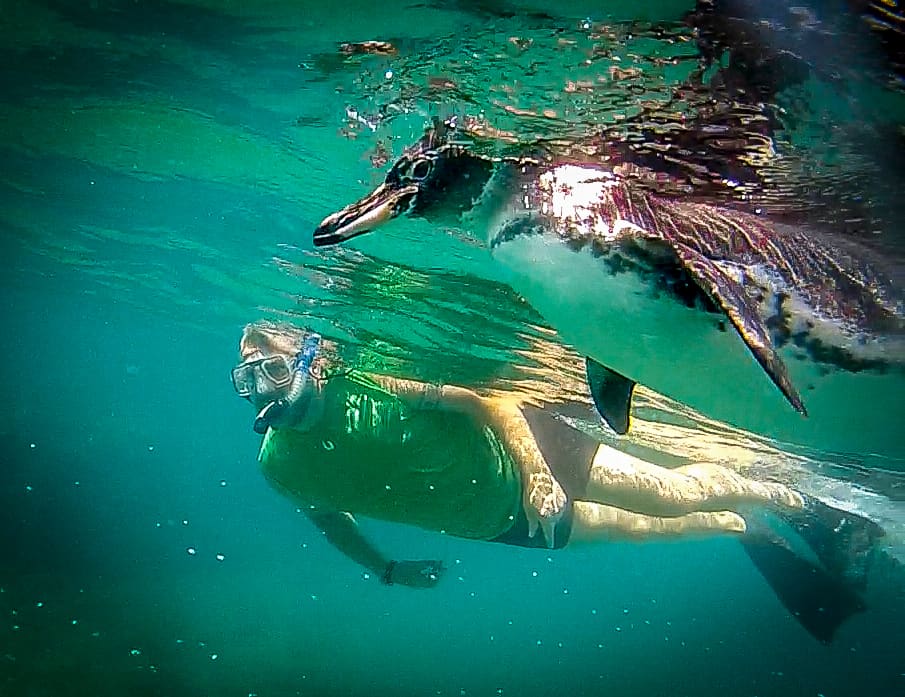
Isabela, the largest Galapagos island, provides an adventurous backdrop for self-guided travelers. You can hike to Sierra Negra Volcano, one of the world’s largest volcanic craters, or snorkel in Concha de Perla, where sea lions, penguins, and colorful fish share the waters.
Independent travelers often highlight Isabela for its tranquil atmosphere. Unlike more developed islands, it offers a rustic and authentic experience. The relaxed pace, combined with easy-to-reach attractions, makes it ideal for travelers who enjoy discovering nature without strict schedules.
San Cristóbal Island Beach and Wildlife Trails

San Cristóbal is a fantastic example of how self-guided tours can deliver rich wildlife encounters. Playa Mann and Playa Lobería are both easily accessible on foot, where travelers often find themselves sharing the sand with playful sea lions. The Interpretation Center, located near Puerto Baquerizo Moreno, explains the ecological and human history of the islands, giving independent travelers context before venturing out.
Hiking trails from the Interpretation Center lead to viewpoints overlooking the ocean, providing self-guided explorers with rewarding panoramas without requiring organized tours.
Floreana Island Day Excursion
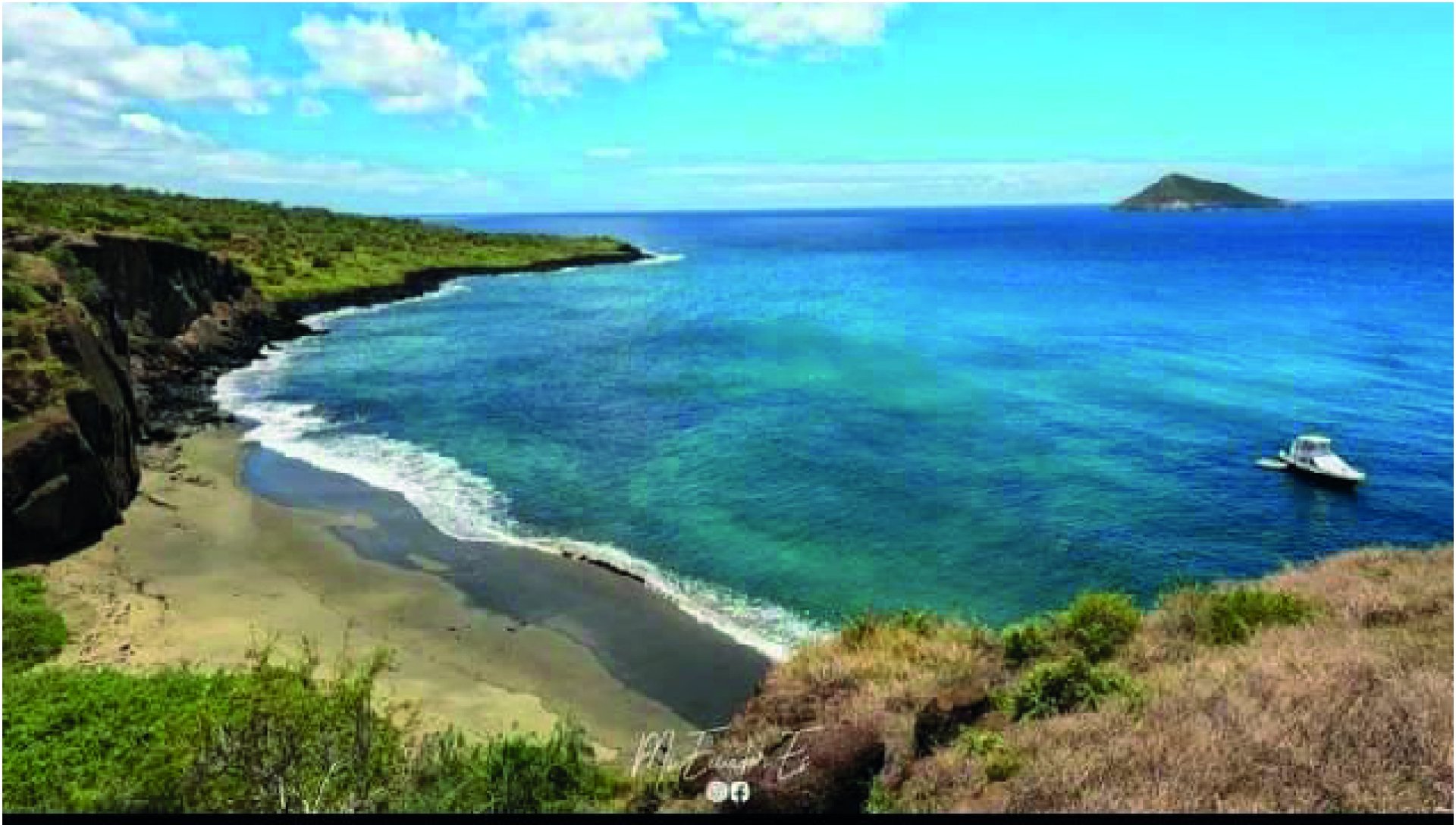
Though less visited, Floreana offers an off-the-beaten-path option for self-guided exploration. Accessible by boat from Santa Cruz, it provides a mix of history and nature. The Post Office Bay tradition allows visitors to leave postcards in a wooden barrel, continuing a centuries-old custom. Nearby, snorkeling spots reveal stingrays, turtles, and tropical fish.
For independent travelers, Floreana demonstrates how cultural traditions and natural beauty coexist. A self-guided visit here feels intimate, as the island has fewer residents and tourists than others.
Practical Benefits of Technology for Self-Guided Tours
Navigation and Safety
Modern travel apps and offline maps make self-guided exploration safer and more efficient. GPS navigation ensures you can follow trails without getting lost, while offline maps allow you to plan routes even in remote areas without internet access.
Wildlife Identification
Apps for birdwatching and marine life identification enhance the self-guided experience. Travelers can instantly identify species like blue-footed boobies or frigatebirds, adding educational value to every walk or snorkel session.
Itinerary Planning
Technology helps with ferry schedules, weather updates, and local transportation timetables. This minimizes logistical stress, letting you focus more on the adventure itself.
Use Cases: When a Galapagos Self-Guided Tour Makes Sense
For Budget-Conscious Travelers
If cost is a concern, a self-guided tour is the ideal solution. Independent travelers can select affordable guesthouses, community restaurants, and public transport, making the Galapagos accessible without luxury pricing.
For Slow Travelers
Those who prefer to take time at each site benefit greatly from a self-guided approach. Spending several days on a single island allows deeper immersion into its ecosystems compared to fast-paced guided itineraries.
For Independent Adventure Seekers
If you thrive on discovery and decision-making, self-guided travel provides the autonomy to explore the islands in a way that feels personal and adventurous. This use case is perfect for hikers, photographers, and solo travelers who enjoy freedom.
Frequently Asked Questions
1. Is it safe to do a Galapagos self-guided tour?
Yes, the Galapagos Islands are safe for self-guided travel, especially on inhabited islands with developed infrastructure. Travelers should still follow park rules, respect wildlife, and plan transport in advance.
2. Which islands are best for independent exploration?
Santa Cruz, Isabela, and San Cristóbal are the most accessible for self-guided tours. Each offers trails, beaches, and snorkeling spots that can be reached without guided tours.
3. Do I need a guide for every part of the Galapagos?
Not always. Some protected areas require licensed guides, but many trails, beaches, and cultural sites are open for self-guided exploration. Knowing the difference helps you plan effectively.