
Best Itinerary for Machu Picchu: A Complete Guide for First-Time Travelers
Machu Picchu is one of the most iconic travel destinations in the world, drawing millions of visitors each year who wish to experience the wonder of this ancient Incan citadel. Planning the best itinerary for Machu Picchu is not just about choosing travel dates, but also about deciding how you want to experience this UNESCO World Heritage Site. From multi-day treks through the Andes to scenic train rides, every itinerary offers a different way to discover the mysteries of this sacred site.
The key to crafting an unforgettable Machu Picchu itinerary lies in balancing adventure, comfort, and cultural immersion. In this guide, we’ll break down the most effective itineraries, highlight real-world examples, and explain the benefits of planning your journey with careful detail.
Why a Well-Planned Machu Picchu Itinerary Matters

Machu Picchu is located high in the Andes at nearly 8,000 feet above sea level. Visiting requires thoughtful planning due to limited daily permits, high altitude, and varied travel routes. Without a structured itinerary, visitors often miss key experiences, encounter logistical challenges, or feel rushed during their exploration.
By following a carefully designed itinerary, you can maximize your time, minimize stress, and fully immerse yourself in the history, culture, and natural beauty of Peru. This ensures you don’t just see Machu Picchu, but truly experience it in a meaningful way.
Classic 4-Day Inca Trail Itinerary
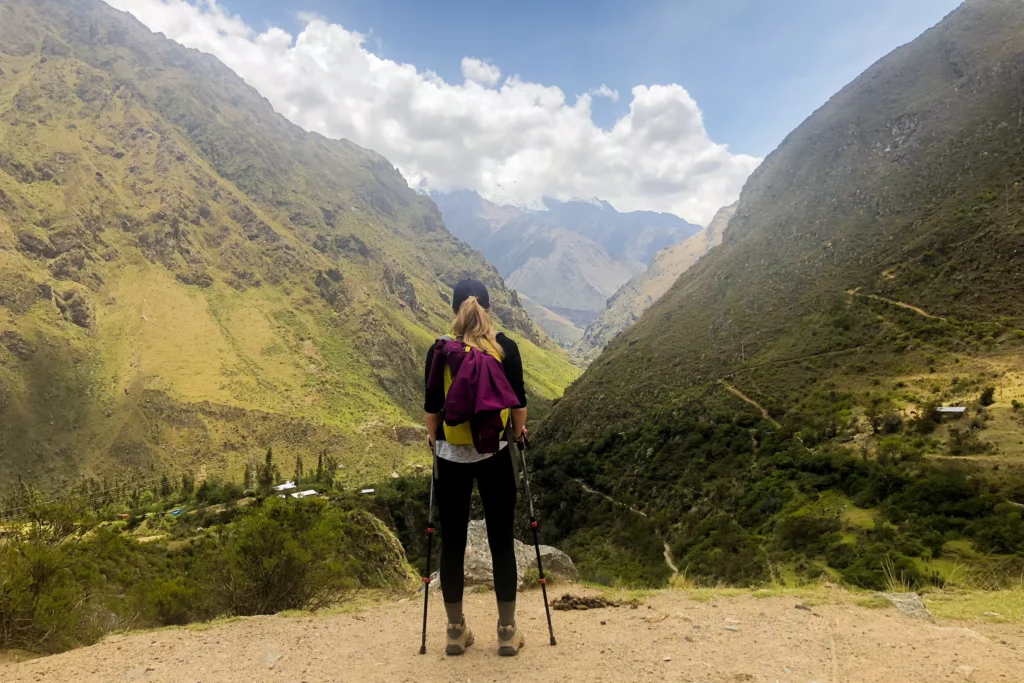
One of the most popular ways to experience Machu Picchu is through the Inca Trail, a multi-day trek that follows the original paths of the Incas. This 4-day itinerary is often considered the gold standard for adventure travelers.
Over four days, you’ll trek through lush cloud forests, alpine passes, and ancient ruins before reaching the Sun Gate at sunrise for your first breathtaking view of Machu Picchu. The sense of accomplishment and connection to history make this itinerary particularly rewarding.
This itinerary is ideal for travelers who want a mix of physical challenge and cultural discovery. Permits are limited and sell out quickly, making planning essential. For many, the trek is as memorable as the destination itself.
Luxury Train Itinerary from Cusco to Machu Picchu
For those seeking comfort and elegance, the luxury train experience from Cusco to Machu Picchu is a world-class option. The Belmond Hiram Bingham train is one of the most iconic services, offering a journey filled with gourmet dining, live Peruvian music, and panoramic views of the Sacred Valley.
This itinerary allows you to experience Machu Picchu in style while minimizing physical exertion. After a scenic train ride, guests explore Machu Picchu with expert guides before returning to Cusco. For travelers short on time or seeking a more relaxed pace, this itinerary delivers a perfect balance of cultural exploration and indulgence.
Short Inca Trail 2-Day Itinerary
The 2-day Short Inca Trail is a fantastic option for travelers who want to experience hiking but with less physical demand than the full 4-day trek. This itinerary includes one day of hiking along a portion of the Inca Trail and an overnight stay in Aguas Calientes before entering Machu Picchu the following morning.
This route still provides the rewarding Sun Gate entrance, making it a perfect balance between adventure and convenience. It’s especially popular with families, travelers on tight schedules, or those seeking a lighter trek without sacrificing the magical arrival experience.
Alternative Trekking Itinerary: The Salkantay Trail

The Salkantay Trail is often chosen by those who want fewer crowds and more diverse scenery. Unlike the Inca Trail, this trek does not require special permits, making it more accessible when Inca Trail slots are sold out.
Over five days, trekkers journey through rugged mountain landscapes, turquoise glacial lakes, and lush tropical valleys. The itinerary ends with a visit to Machu Picchu, offering both adventure and breathtaking natural beauty. This itinerary is highly recommended for those who crave variety in landscapes and a deeper sense of exploration.
Benefits of Choosing the Right Machu Picchu Itinerary
Choosing the right itinerary provides several advantages, both practical and experiential.
First, it helps you match your journey to your travel style. Whether you’re a hiker, a history enthusiast, or a luxury traveler, there’s an itinerary designed to maximize your experience. A well-planned itinerary also allows for acclimatization to high altitude, reducing the risk of altitude sickness.
Another benefit is time management. A detailed itinerary ensures you know when to rest, explore, and travel between destinations, making the journey more efficient. It also provides flexibility by incorporating buffer time for unexpected weather or personal preferences.
Ultimately, the right itinerary transforms a simple trip into a memorable life experience.
Real-World Itinerary Examples and Use Cases
Classic Inca Trail for Adventure Seekers
The 4-day Inca Trail is perfect for adventure seekers who want to earn their first glimpse of Machu Picchu through determination and effort. The challenge of high passes and long trekking days is rewarded with stunning views and ancient ruins along the route.
For many, this is more than just an itinerary; it’s a personal journey of endurance, achievement, and connection to history.
Luxury Train Experience for Relaxation
The luxury train itinerary is best suited for travelers who want cultural immersion without physical strain. It is especially popular among honeymooners, older travelers, or those seeking a once-in-a-lifetime indulgence.
This itinerary solves the problem of accessibility, ensuring that everyone, regardless of fitness level, can enjoy the splendor of Machu Picchu.
Short Inca Trail for Time-Conscious Travelers
The 2-day Short Inca Trail itinerary is a solution for those who want the hiking experience but have limited vacation time. It’s an efficient way to combine trekking with sightseeing in just two days.
This option solves scheduling problems for busy travelers while still delivering the emotional impact of arriving through the Sun Gate.
Salkantay Trail for Off-the-Beaten-Path Explorers
For travelers who dislike crowds, the Salkantay itinerary provides a quieter, more diverse experience. Unlike the heavily trafficked Inca Trail, this route offers solitude and natural beauty.
This solves the problem of over-tourism by providing an alternative pathway to Machu Picchu while still offering a rich and adventurous journey.
Practical Use Cases of a Machu Picchu Itinerary
A well-designed Machu Picchu itinerary helps solve real-world travel challenges. For example, it allows altitude acclimatization by incorporating stops in Cusco or the Sacred Valley before ascending to Machu Picchu. It also helps travelers avoid last-minute stress by pre-booking transportation, entry permits, and accommodations.
For families, a shorter itinerary like the 2-day trail helps keep children engaged without overwhelming them. For older travelers, a luxury train itinerary solves accessibility concerns, ensuring they can still enjoy the experience without physical difficulty. For adventurers, multi-day treks provide the challenge and authenticity they seek.
In each case, the itinerary is the framework that turns a dream trip into a seamless reality.
Frequently Asked Questions
What is the best time of year to follow a Machu Picchu itinerary?
The dry season, from May to September, is considered the best time due to clearer skies and safer trekking conditions. However, it is also the busiest, so planning is essential.
Do I need a guide for Machu Picchu?
Yes, official regulations require that visitors exploring Machu Picchu be accompanied by a licensed guide. Guided tours also enrich the experience by providing historical and cultural context.
Can I visit Machu Picchu in one day?
Yes, it’s possible to visit Machu Picchu in one day by taking a train from Cusco or Ollantaytambo to Aguas Calientes and then a bus to the site. However, multi-day itineraries provide a more immersive experience.